
If you are planning a home renovation or new construction project, you have likely heard plumbers mention “rough-in plumbing.” But what is it, and why does it matter so much in the overall plumbing process? Understanding what rough-in plumbing entails can help you make more informed decisions about timelines, budgets, and the overall success of your project.
Defining Rough-In Plumbing
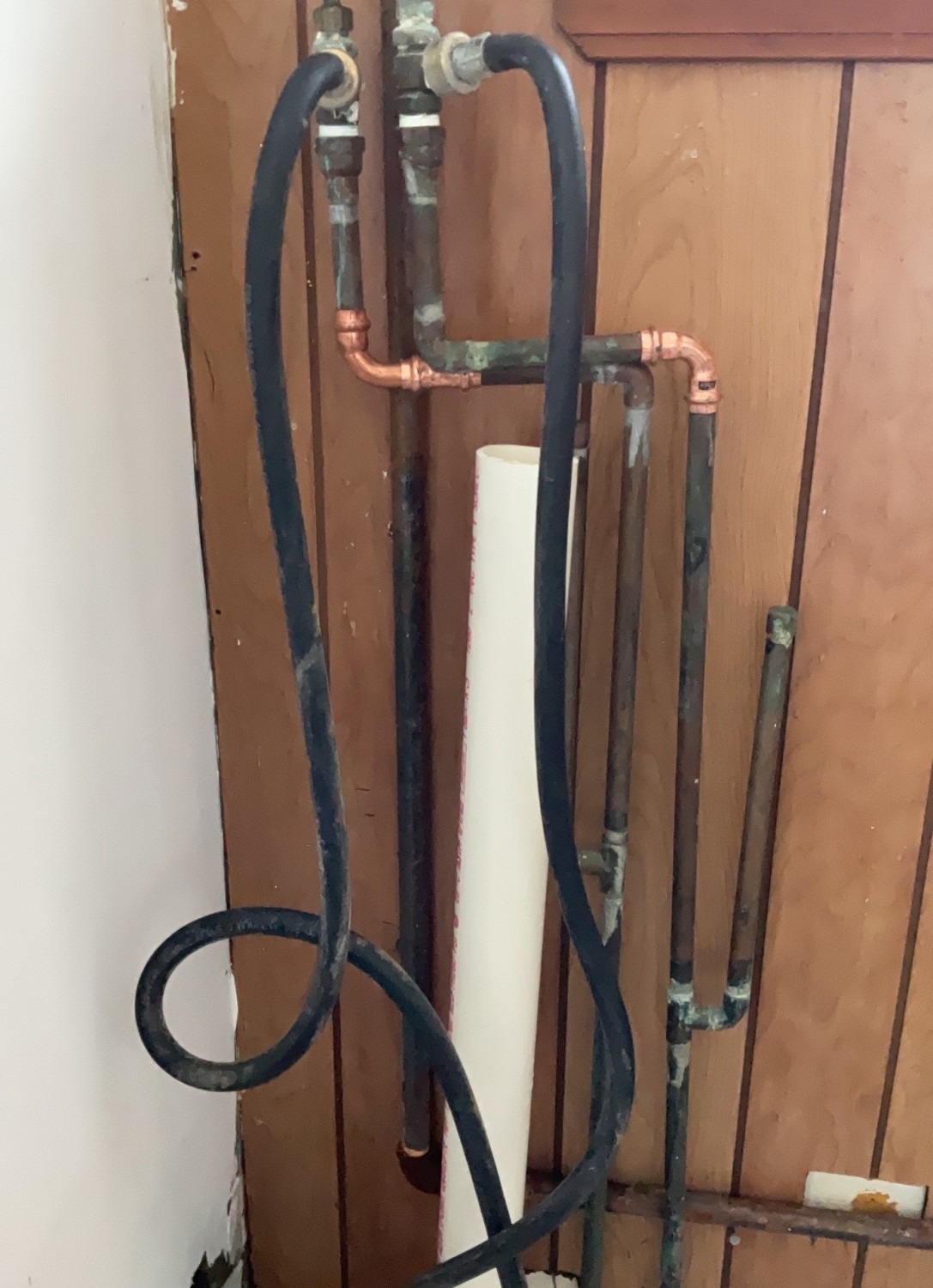
Rough-in plumbing refers to the initial phase in a plumbing installation where all water supply and drain pipes are laid out but not yet connected to fixtures like sinks, toilets, or faucets. During the rough-in, plumbers position the pipes within the walls, ceilings, and floors according to the blueprint of the home. This foundational stage sets the tone for the entire plumbing system, ensuring everything lines up for efficient and leak-free operation once the final fixtures are added.
Essential Steps in a Rough-In Plumbing Project
For any new build or renovation, rough-in plumbing is completed after framing but before drywall is installed. The process typically includes:
-
Positioning hot and cold water supply lines to each fixture location
-
Installing drain, waste, and vent (DWV) pipes to meet code requirements
-
Ensuring all piping slopes and layouts comply with local building codes
-
Pressure testing the system to check for leaks before walls are sealed
Attention to detail during rough-in work is critical. Mistakes or shortcuts at this stage can result in significant and costly issues down the road once the walls are closed up.
Why Rough-In Plumbing Matters
Rough-in plumbing is far more than a technical step; it protects your investment. Properly completed rough-in work provides numerous benefits, including:
-
Reducing the risk of hidden leaks that can cause structural damage or mold growth
-
Minimizing the chance of costly rework if pipes are misaligned
-
Keeping your project on schedule so that following trades can proceed without delay
For homeowners in regions like the Midwest, including those in Monee, it’s especially important to consider seasonal impacts. For example, cold winters increase the risk of frozen pipes if water lines are not adequately insulated during the rough-in stage, a key local consideration professional plumbers will address.
Common Rough-In Plumbing Challenges
While rough-in plumbing should be straightforward when handled by professionals, there are common challenges, including:
-
Incorrect pipe positioning that doesn’t match fixture plans
-
Not accounting for structural obstacles, such as joists or beams
-
Failing to meet updated Illinois plumbing codes, which can vary by county or municipality
Working with a qualified plumbing contractor familiar with local codes and building practices helps prevent these headaches, providing peace of mind for homeowners and builders alike.
Frequently Asked Questions About Rough-In Plumbing
Many homeowners have additional questions when they hear about rough-in plumbing for the first time. A few common concerns include:
-
How long does rough-in plumbing take? Most residential projects require a few days to a week, depending on the size of the home and complexity of the plumbing system.
-
Is it possible to change fixture locations after rough-in? Significant changes after the rough-in stage can be time-consuming and expensive, underscoring the importance of upfront planning.
-
Who inspects rough-in plumbing? Local building inspectors typically review the work before final approval to ensure everything is code-compliant.
Contact Vertical Plumbing for Professional Rough-In Services
Looking for trusted rough-in plumbing services in Monee, IL? Vertical Plumbing offers reliable residential plumbing solutions that keep your project on track, up to code, and ready for every season that Illinois brings. Call us today at (708) 300-6493 or fill out our convenient online form to schedule your plumbing rough-in consultation and get your renovation or new build off to the right start.